
Common Causes of Hair Loss in Women
You don’t usually notice hair thinning overnight.
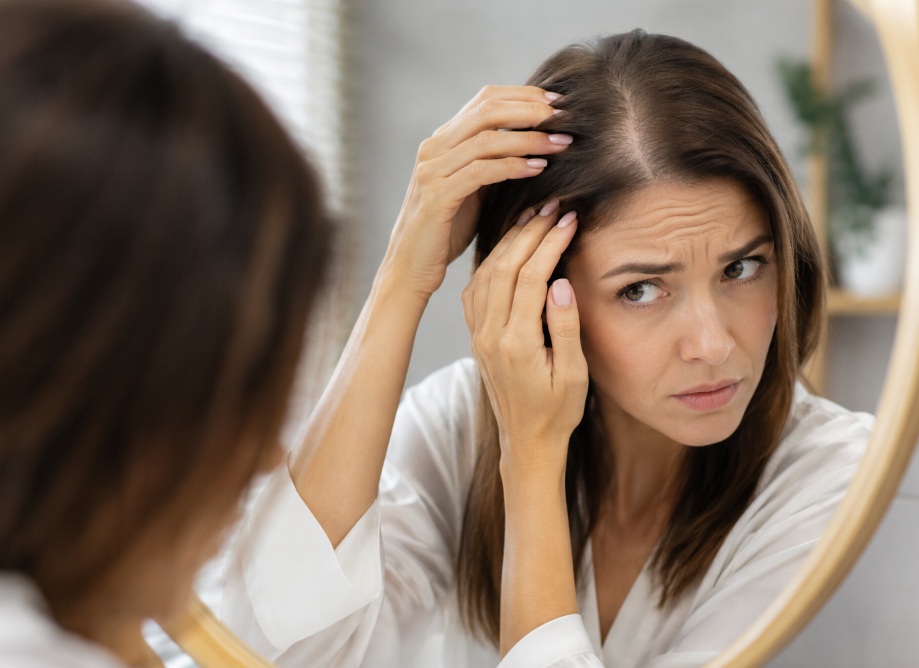
Instead, it’s the little things that catch your attention. Your ponytail doesn’t feel as thick as it once did. Your parting seems wider than you remember. Bright lights suddenly make your scalp more visible, and your hair just doesn’t have the same volume it used to.
If you’re asking yourself, “Why is my hair getting thinner?”, you’re far from alone.
Millions of women experience thinning hair at some point in their lives. While it can be upsetting, hair thinning doesn’t automatically mean you’re going bald. In many cases there’s an underlying reason, and identifying that reason is often the first step towards improving your hair.
Here are nine of the most common causes of thinning hair in women, and what you can do about them.
Is Hair Thinning the Same as Hair Loss?
Not exactly.
Although the terms are often used interchangeably, they can describe different things.
Hair thinning usually means individual hair follicles are producing finer, weaker hairs than they once did. Over time, this reduces your hair’s overall density and volume.
Hair shedding means more hairs than normal are falling out. It’s perfectly normal to lose around 50 to 100 hairs a day, but certain conditions can temporarily increase this number.
Hair breakage happens when the hair shaft becomes damaged and snaps. This can make your hair appear thinner even though the follicles themselves remain healthy.
Understanding which of these you’re experiencing can help point towards the underlying cause.
1. Female Pattern Hair Loss
The most common cause of gradual hair thinning in women is female pattern hair loss, also known as female androgenetic alopecia.
Unlike men, women rarely develop obvious bald patches. Instead, the hair slowly becomes less dense, particularly across the top of the scalp. The parting widens, the crown appears flatter and styling your hair becomes increasingly difficult because there’s simply less of it.
This condition is influenced by genetics and hormones and tends to develop gradually over many years. Because the changes happen so slowly, many women don’t realise how much density they’ve lost until they compare old photographs.
The earlier it’s recognised, the better the chances of slowing its progression.
2. Hormonal Changes
Hormonal changes play a major role in healthy hair growth.
Many women notice increased thinning after pregnancy, during perimenopause or following the menopause, when changing hormone levels can disrupt the normal hair growth cycle.
These hormonal fluctuations don’t affect everyone in the same way. Some women experience temporary shedding that settles within a few months, while others notice a more gradual reduction in hair density over time.
If your hair has changed around the same time as other hormonal symptoms, it’s worth discussing this with your GP.
3. Stress
Stress affects far more than your mental wellbeing.
One of the most surprising things about stress-related hair loss is that it usually doesn’t happen during the stressful event itself. Instead, the shedding often begins two or three months later, making it difficult to connect the two.
This condition, known as telogen effluvium, can be triggered by emotional stress, illness, surgery, significant weight loss or even a high fever.
Although the amount of hair shedding can be alarming, the follicles usually remain healthy, meaning recovery is often possible once the body returns to normal.
4. Iron Deficiency
Iron deficiency is one of the most common nutritional causes of hair thinning, particularly in women of childbearing age.
Hair follicles require a steady supply of oxygen and nutrients to function properly. When iron levels fall, the body naturally prioritises more important organs, leaving hair growth to take a back seat.
If you’re experiencing hair thinning alongside fatigue, dizziness or persistent tiredness, it’s worth asking your GP whether a blood test would be appropriate.
5. Thyroid Disorders
Your thyroid helps regulate countless processes throughout your body, including the hair growth cycle.
Both an underactive and overactive thyroid can cause diffuse thinning across the scalp, rather than obvious bald patches. Hair may also become dry, brittle or lose some of its natural shine.
The encouraging news is that once thyroid levels are properly managed, hair often begins to recover, although this can take several months.
6. Poor Nutrition
Healthy hair starts with good nutrition.
Your hair follicles are among the most active cells in the body, constantly producing new hair. They rely on an adequate supply of protein, vitamins, minerals and plant nutrients to perform at their best.
Crash diets, restrictive eating plans and poor overall nutrition can all interrupt this process, leading to increased shedding or finer hair growth.
Looking after your overall health often benefits your hair too.
7. Polycystic Ovary Syndrome (PCOS)
PCOS is a common hormonal condition that can affect hair growth.
Higher levels of androgens may gradually shrink susceptible hair follicles, causing progressive thinning across the scalp.
Women with PCOS may also experience irregular periods, acne, weight gain or increased facial hair, although symptoms vary considerably from person to person.
If hair thinning is accompanied by other hormonal changes, it’s worth seeking medical advice rather than assuming it’s simply part of getting older.
8. Ageing
Our hair naturally changes as we age. In fact, ageing is one of the man causes of hair loss.
Individual strands often become finer, growth slows and overall density gradually decreases. This doesn’t happen overnight, but over many years the difference can become noticeable.
While ageing itself can’t be prevented, maintaining good scalp health, eating a balanced diet and addressing any underlying medical issues may help preserve healthy hair for longer.
9. Excessive Heat and Chemical Treatments
Regular bleaching, colouring, straightening and excessive heat styling don’t usually damage the hair follicle itself, but they can weaken the hair shaft, causing increased breakage.
Many women mistake this for hair thinning because their hair looks less full than it once did.
Reducing heat exposure, using conditioning treatments and allowing hair occasional breaks from harsh styling can often improve its appearance.
Can Thin Hair Become Thick Again?
This is one of the questions we hear most often.
The honest answer is that it depends on the cause.
If your hair thinning has been triggered by stress, iron deficiency, hormonal changes or another temporary factor, there’s often a good chance of improvement once the underlying issue has been addressed.
If the cause is female pattern hair loss, the aim is usually to slow further thinning while encouraging existing follicles to continue producing healthy hairs for as long as possible. That’s one of the reasons early action is so important.
The longer hair follicles remain inactive, the more difficult they can become to treat.
What Should You Do If Your Hair Is Getting Thinner?
Start by paying attention to when you first noticed the change.
Has your diet changed recently? Have you been under unusual stress? Have you experienced significant hormonal changes, illness or weight loss?
Taking photographs every few months under similar lighting can also help you monitor whether your hair is genuinely becoming thinner or whether the changes simply feel more noticeable.
If your thinning continues, develops rapidly or is accompanied by other symptoms, it’s sensible to seek advice from your GP or an experienced hair restoration specialist. A proper assessment is far more valuable than relying on social media trends or miracle products promising unrealistic results.
Can Supplements Help?
For some women, nutritional support may form part of a wider approach to healthier hair.
HR23+ Hair Growth Supplement has been developed specifically for men and women experiencing thinning hair. Rather than relying on excessive doses of vitamins alone, its formula focuses on carefully selected botanical extracts including saw palmetto, nettle leaf, pumpkin seed (pepita) and horsetail, alongside targeted nutrients chosen to support normal hair health.
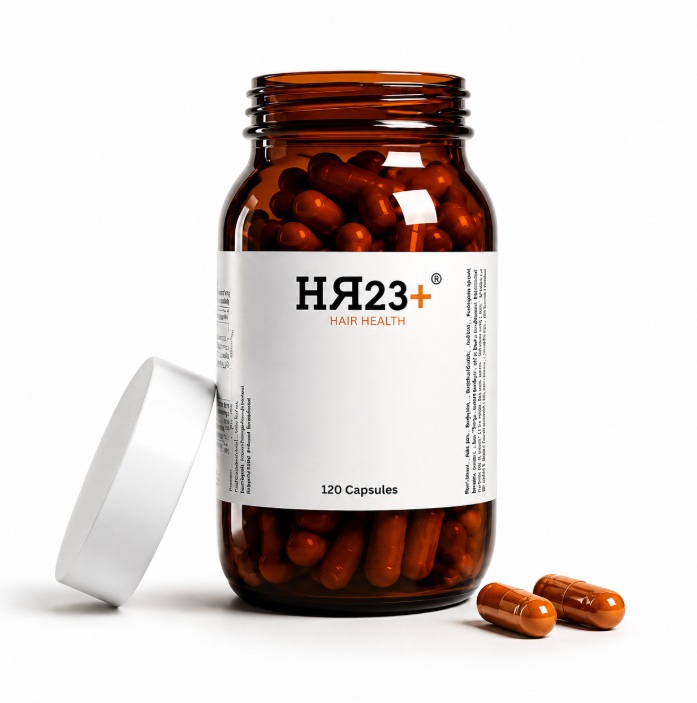
No supplement can treat every cause of hair thinning, particularly where underlying medical conditions are involved. However, when used alongside a balanced diet, healthy lifestyle and appropriate professional advice, nutritional support can be a worthwhile addition to an overall hair care routine.
The Bottom Line
Hair thinning can feel deeply personal, but it’s also incredibly common.
Whether it’s caused by genetics, hormones, stress, nutrition or another underlying factor, understanding why your hair is changing is the first step towards taking positive action.
If you’ve noticed a widening parting, a thinner ponytail or less volume than you used to have, don’t simply assume it’s something you have to live with. The earlier you identify the cause, the better your chances of protecting the hair you have and supporting healthier growth in the future.
Leave a Reply