
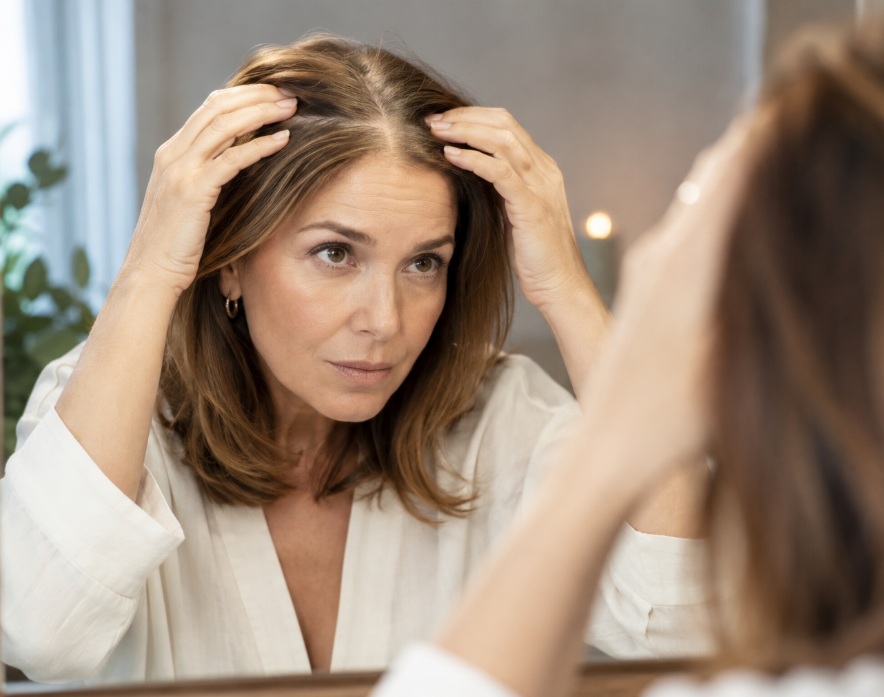
For many women, hair thinning doesn’t begin with obvious bald patches or dramatic shedding. It starts subtly — often with a parting that gradually appears wider over time.
At first, it’s easy to dismiss. Different lighting. A bad hair day. A change in hairstyle. But eventually, many women find themselves checking mirrors more often, adjusting their hair to cover the scalp, or avoiding certain angles altogether.
A widening hair parting is one of the most common early signs of hair loss in women, particularly over the age of 40. The good news is that there are ways to conceal it in the short term, while also supporting healthier hair growth long term.
Why Does the Hair Parting Become Wider?
Hair grows in cycles. Over time, factors such as hormones, ageing, stress, genetics, nutritional deficiencies, and menopause can gradually weaken hair follicles.
As strands become finer and less dense, the scalp becomes more visible — especially along the natural parting line.
Common causes of widening hair partings include:
- Female pattern hair loss
- Menopause-related hormonal changes
- Chronic stress
- Low iron or nutritional deficiencies
- Thyroid issues
- Post-pregnancy shedding
For many women, it’s not complete hair loss, but progressive thinning. The ponytail becomes thinner, volume disappears, and the parting slowly widens.
The Emotional Impact of Hair Thinning
Hair thinning can have a surprisingly deep emotional effect.
Many women describe feeling less confident socially, avoiding bright lighting, or becoming anxious about windy weather exposing the scalp. Some stop tying their hair back entirely because the thinning becomes more noticeable.
Unlike some beauty concerns, hair thinning can feel difficult to hide — particularly when it affects the crown or parting area.
The important thing to remember is that you are not alone. Female hair thinning is incredibly common, especially during and after menopause.
Short-Term Solutions: Concealing a Widening Parting
Because hair treatments take time to work, many women use cosmetic solutions to reduce scalp visibility while supporting healthier hair long term.
Hair Concealers
Hair concealers are designed to temporarily disguise visible scalp areas. They come in powders, sprays, and creams that blend into the hair and scalp.
Used correctly, they can make the parting appear instantly fuller and denser.
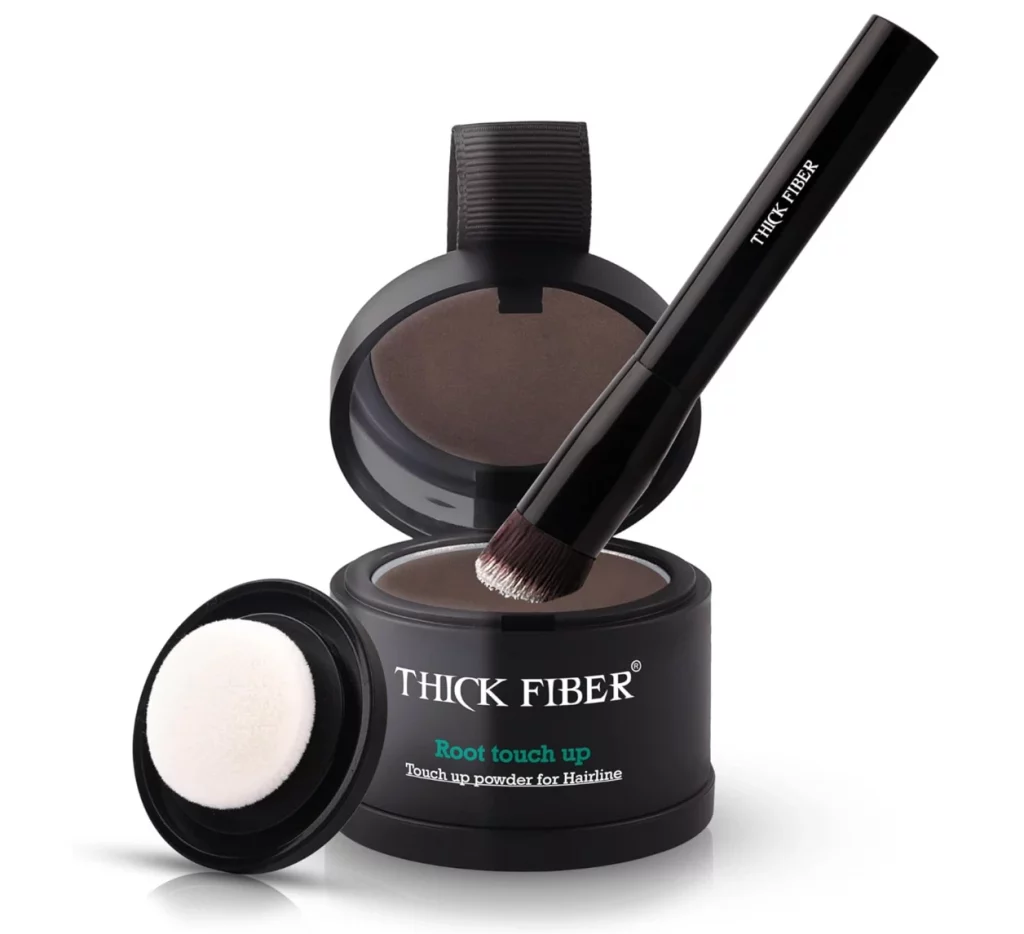
Many women use concealers for:
- social events
- work
- photographs
- nights out
- confidence during treatment periods
Dry Shampoo
Dry shampoo is often overlooked as a thinning hair solution, but it can help create the appearance of more volume at the roots.
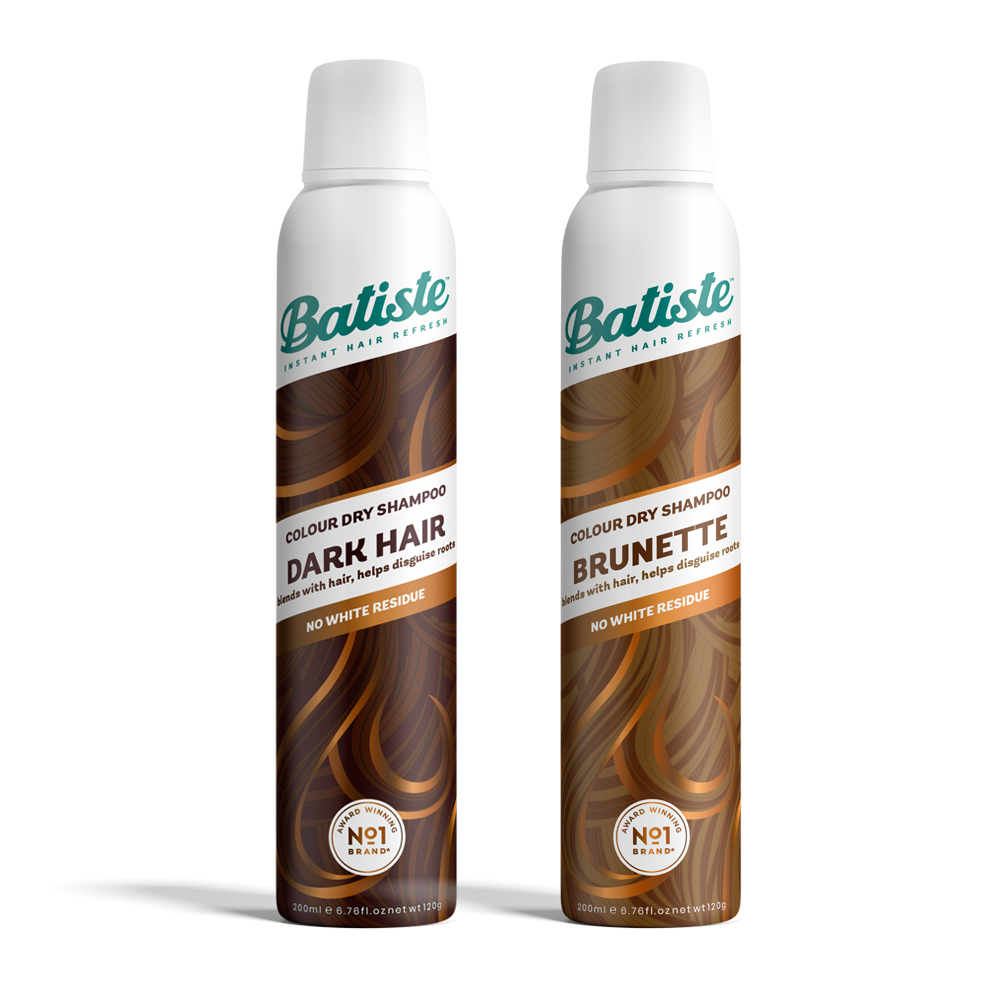
By reducing oil and adding texture, the hair lifts slightly away from the scalp, helping the parting appear less defined.
Volume-boosting dry shampoos can be particularly helpful for fine or limp hair.
Hair Building Fibres
Hair fibres have become increasingly popular for women with visible scalp thinning.
These tiny keratin fibres attach to existing hairs, creating the appearance of thicker, fuller coverage.
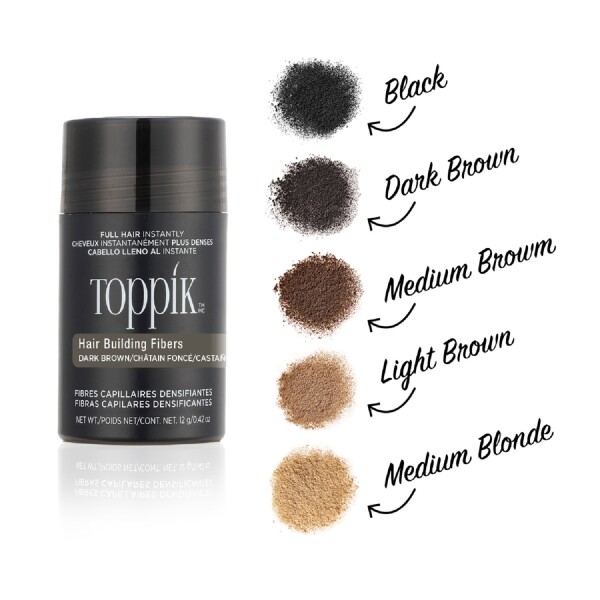
They are especially effective around:
- widening partings
- crown thinning
- temple areas
Modern hair fibres can look surprisingly natural when colour matched properly.
Long-Term Treatments for Hair Thinning
While concealment products can improve confidence immediately, many women also look for treatments that support healthier hair growth over time.
Minoxidil
Minoxidil is one of the best-known hair loss treatments for women.
Applied directly to the scalp, it helps stimulate hair follicles and extend the growth phase of the hair cycle.
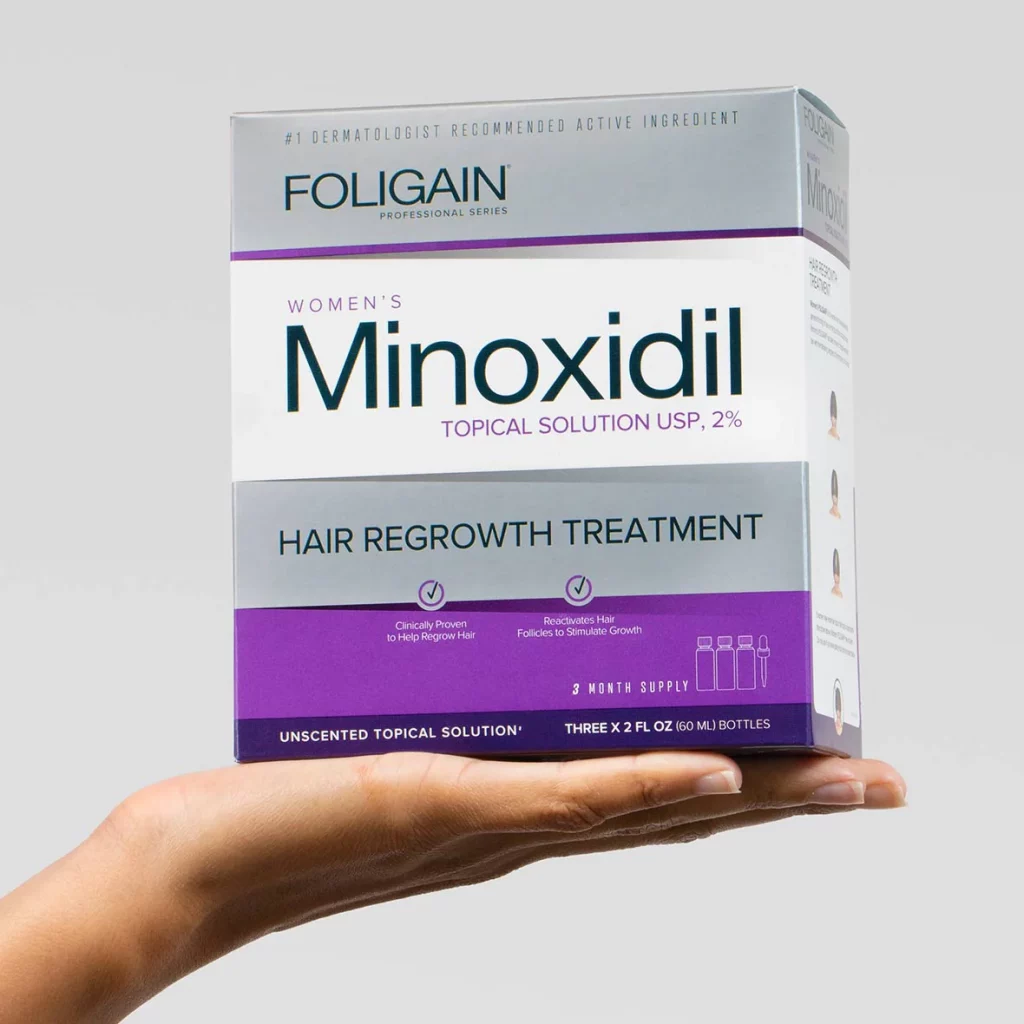
Some women notice reduced shedding within a few months, although visible improvements in density can take longer.
Consistency is important with Minoxidil, as stopping treatment may gradually reverse results.
Nutritional Hair Support Supplements
Hair health is influenced by nutrition, hormones, and overall follicle support.
For this reason, many women use targeted hair supplements alongside topical treatments.
HR23+ is a long-established hair support supplement designed to help support healthier, stronger-looking hair from within.
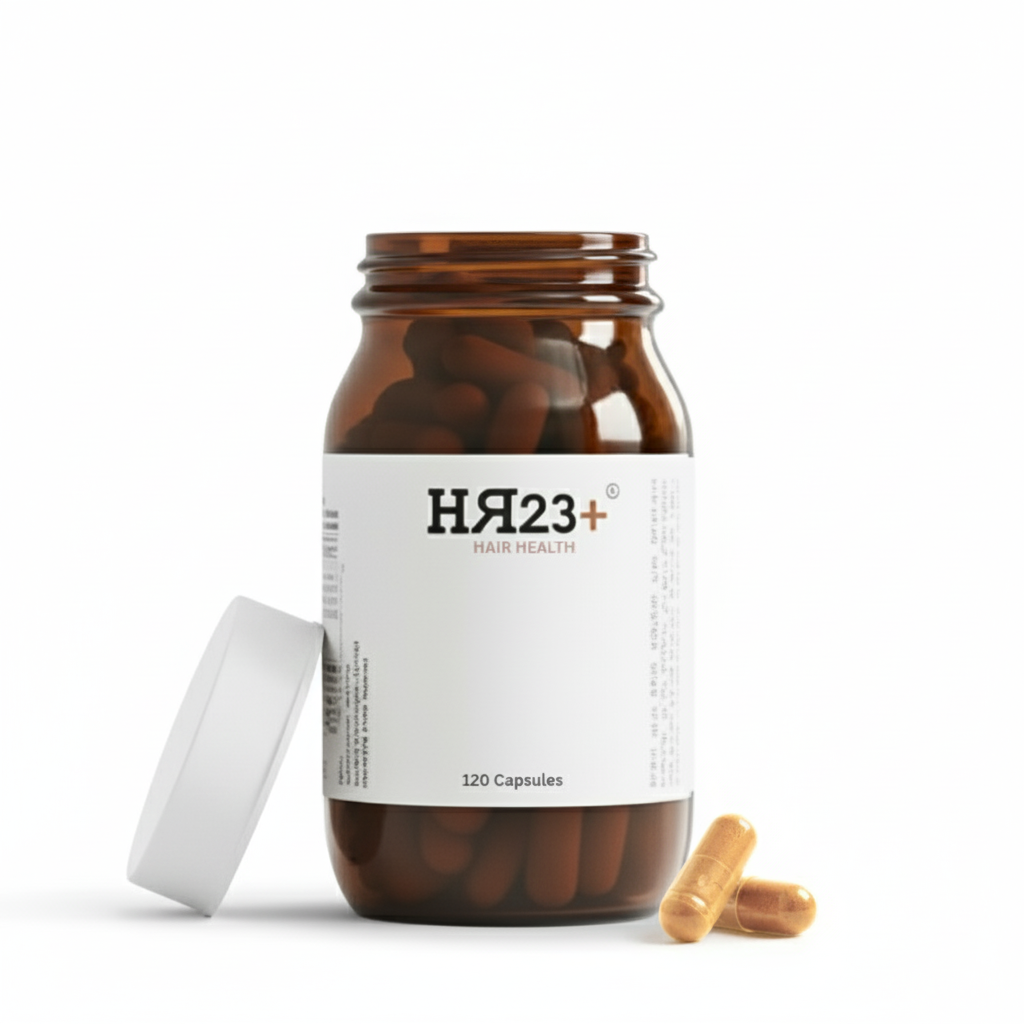
The formula contains a range of ingredients commonly associated with hair health support, including:
- saw palmetto
- horsetail extract
- nettle leaf
- pepita pumpkin seed extract
Many women use nutritional support as part of a broader hair care routine, particularly during menopause or periods of increased thinning. Supplements like HR23+ have shown to help stump hair loss and regrow hair in as little as 4-12 weeks of consistent use.
Patience Is Important
One of the biggest frustrations with hair thinning treatments is that results rarely happen overnight.
Hair grows slowly, and follicles often need several months of consistent support before visible improvements occur.
This is why many women combine:
- cosmetic concealment for immediate confidence
- long-term treatments for ongoing support
Using both approaches together can often make the process feel less stressful emotionally.
Final Thoughts
A widening hair parting can feel upsetting, particularly when it affects confidence and self-image. But it is also extremely common, and there are more options available today than ever before.
Whether you choose temporary concealment products, topical treatments like Minoxidil, nutritional support supplements, or a combination of approaches, the key is acting early and remaining consistent.
For many women, small improvements in density and scalp coverage can make a significant difference — not just to the hair itself, but to confidence as a whole.

Other Articles you may fin useful:
Best Hair Supplements for Women Over 40 (2026-2027 Guide)
Menopause Hair Loss: Why Your Hair Is Thinning (And What You Can Do About It)
Top 10 Multi-Ingredient Hair Growth Supplements for Women with Thinning Hair
Best Shampoos for Preventing Hair Loss and Promoting Hair Growth
Stop Thinning Hair with the Ultimate 5-Step Hair Loss Guide Every Woman Deserves
Leave a Reply